
Restore balance, energy, and vitality from the inside out.
Peptide Therapy for Men & Women
A science-based treatment that uses targeted amino acid sequences to support hormone balance, metabolism, skin health, and overall well-being.
The Science of Peptides
What Are Peptides?
Peptides are short chains of amino acids that act as signaling molecules in your body. They play crucial roles in virtually every biological process, from hormone production to tissue repair and immune function.
As we age, our natural peptide production declines, contributing to the signs and symptoms of aging. Peptide therapy replenishes these vital molecules, helping to restore youthful function and optimize your health.
Up to 25%
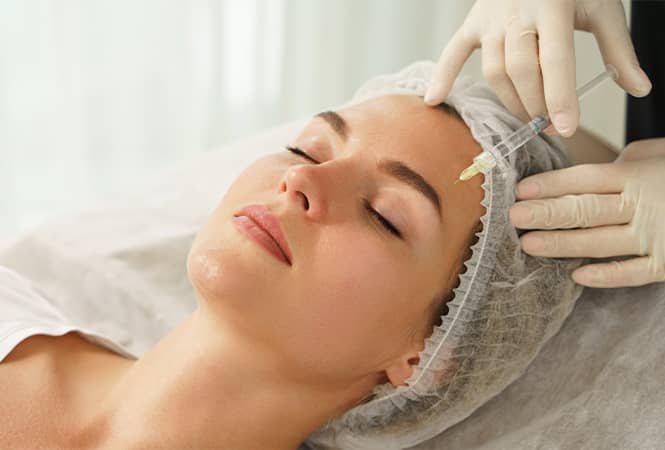
The Science of Peptides
Peptide Therapy Uses

Hormonal Balance

Anti-Aging & Skin Rejuvenation

Weight Loss

Energy & Muscle Mass

Immune Function

Cognitive Health
The Science of Peptides
Who Is a Good Candidate for Peptide Therapy?

For Women:
- Hormonal changes related to perimenopause or menopause
- Low energy, fatigue, or trouble recovering from stress
- Weight gain or slowed metabolism
- Changes in skin elasticity, fine lines, or signs of aging
- Poor sleep, brain fog, or mood changes
- Decreased libido or reduced sexual wellness
- Slower healing or increased inflammation

For Men:
- Declining energy, stamina, or motivation
- Difficulty losing weight or gaining lean muscle
- Reduced strength or longer recovery times
- Sleep disturbances or increased stress
- Decreased libido or performance concerns
- Early signs of aging in skin, metabolism, or hormone function
- Brain fog, decreased focus, or slower cognitive performance
Our Peptide Therapy Process
Step 1: Comprehensive Evaluation
Step 2: Personalized Peptide Plan
Step 3: Treatment Administration
Step 4: Ongoing Monitoring
We track your progress and adjust dosing as needed. Most patients notice improvements within a few weeks, with continued benefits!
Commonly Asked Peptide Questions
Peptide therapy uses short chains of amino acids that act as natural messengers in the body. These peptides bind to specific receptors on cells and trigger targeted biological responses that support hormone balance, metabolism, tissue repair, and overall wellness.
Peptides essentially tell your body to function more efficiently, especially in areas that decline with age.
Peptide therapy is versatile and can support a wide range of goals for both men and women, including:
• Weight loss and improved fat metabolism
• Better energy levels and reduced fatigue
• Increased lean muscle mass and faster recovery
• Anti-aging and skin rejuvenation
• Enhanced sleep quality and cognitive function
• Immune support and reduced inflammation
• Improved hormone balance
Administration varies depending on the peptide and your treatment plan.
Common methods include:
• Subcutaneous injections (most common and highly effective)
• Oral capsules
• Nasal sprays
• Topical creams or serums
Your provider will recommend the method that best fits your goals and comfort level.
Results vary by individual, but most patients begin noticing changes within the first few weeks. Greater improvements typically appear after 2–3 months as peptides continue stimulating cellular changes.
• Early benefits: energy, sleep, mood, appetite regulation
• Later benefits: fat loss, muscle tone, skin improvements, hormone balance
Consistency is key for long-term progress.
Peptides are considered safe because they mimic molecules that naturally occur in the body. When prescribed by a trained provider and sourced from medical-grade pharmacies, the risk of adverse effects is low. Any side effects that occur are usually mild and temporary.
Lab work is not always required but is often recommended to personalize treatment. Labs help identify metabolic or hormonal concerns that may affect your response.
Common lab categories include:
• Hormone levels
• Metabolic markers such as A1C and fasting insulin
• Inflammatory markers
• Vitamin deficiencies
Side effects depend on the peptide used and are typically minimal. Possible effects may include:
• Mild injection-site irritation
• Temporary headaches
• Digestive changes with certain peptides
• Increased appetite in some cases
Your provider will monitor your progress and adjust dosing if needed.
Treatment length varies based on individual goals. Many patients complete an eight-to-twelve-week course to see meaningful improvements. Some choose ongoing maintenance cycles to continue supporting energy, metabolism, skin quality, or hormonal balance.